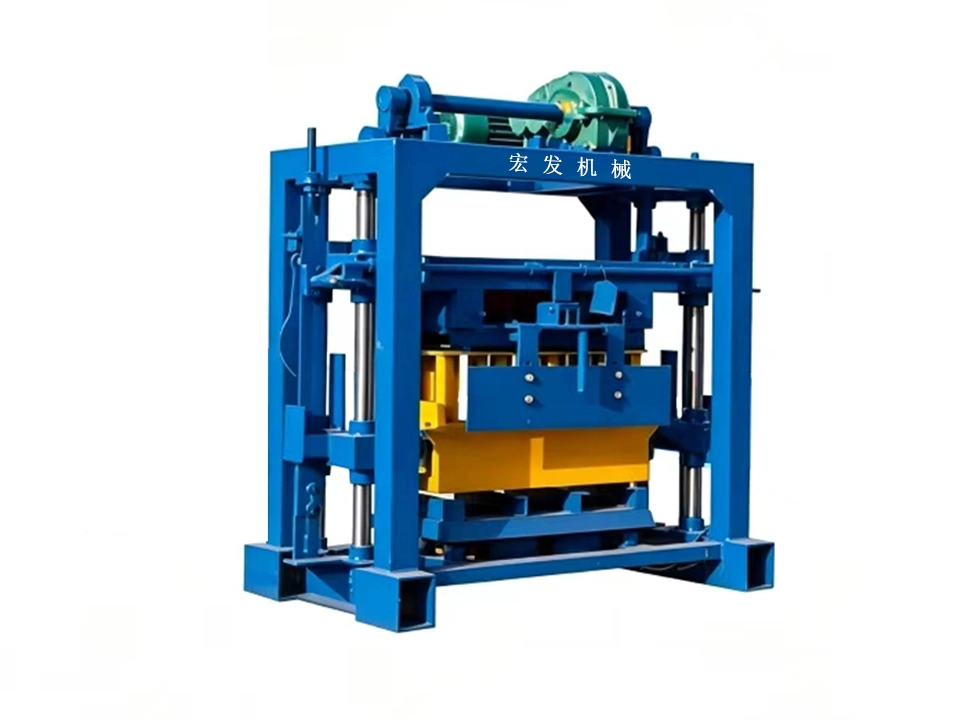
1. Controllable Main‑Unit Purchase Cost With Balanced Product Quality, Suitable For Cost‑Focused Startup Investors
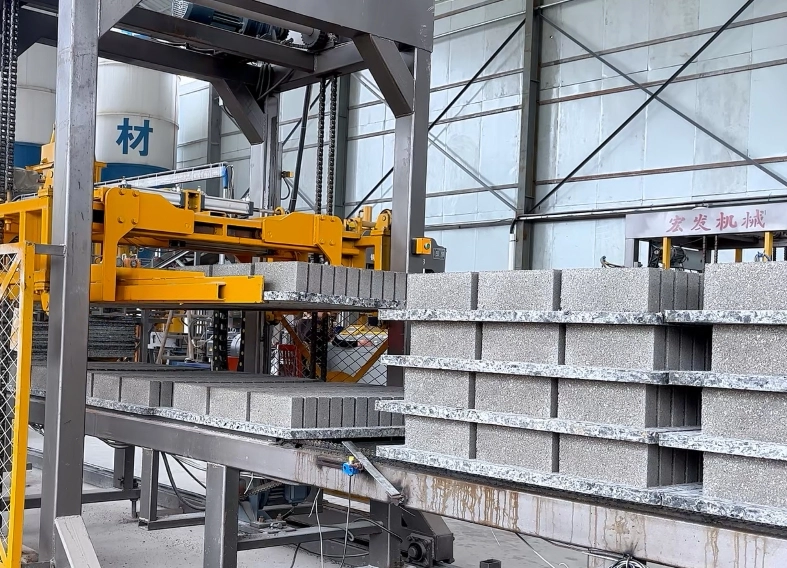
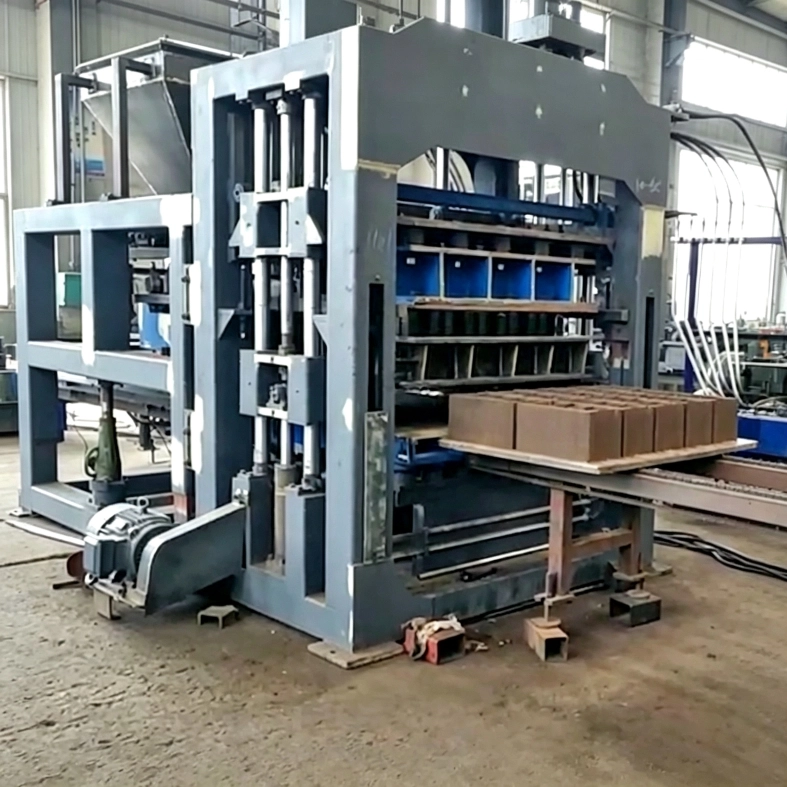
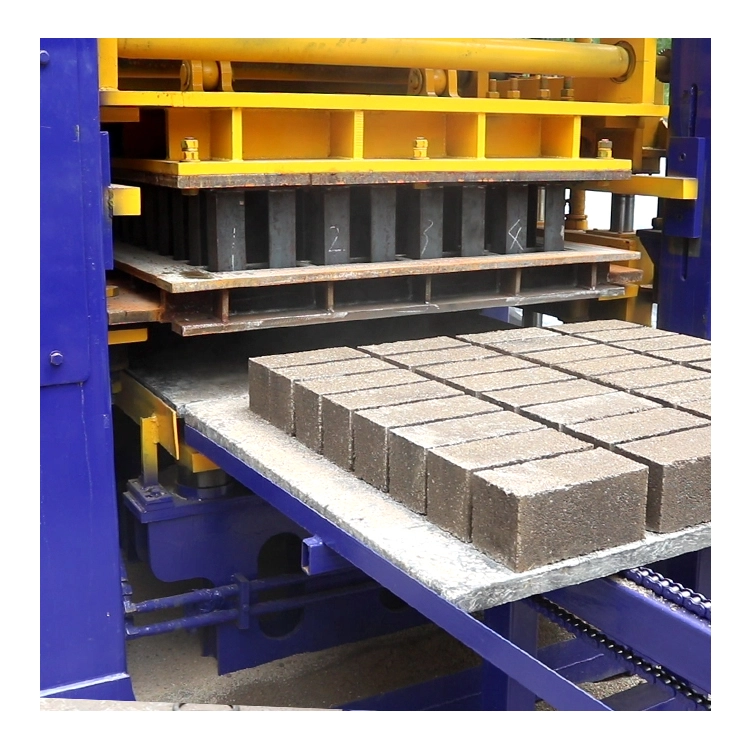
Many first‑time brick‑making entrepreneurs face a trade‑off: ultra‑low‑cost mini‑machines come with limited block compaction and weak market competitiveness, while semi‑automatic or fully‑automatic models greatly exceed startup budget. Built with heavy‑duty gantry steel frame and equipped with combined upper‑lower vibration system, QTJ4‑40B2 delivers improved block compaction performance within an affordable price range for new‑comers. Entrepreneurs do not need to exhaust most working capital on machinery purchase. Sufficient funds can be reserved for raw‑material procurement, local customer development and business turnover. You may build a basic production cell for medium‑small village‑level orders and manufacture better‑quality blocks to strengthen local market competitiveness. When order volume grows in later periods, mixers and conveyors can be added or higher‑spec machines can be selected step‑by‑step. Phased expansion avoids huge venture risks caused by one‑time heavy‑asset investment.
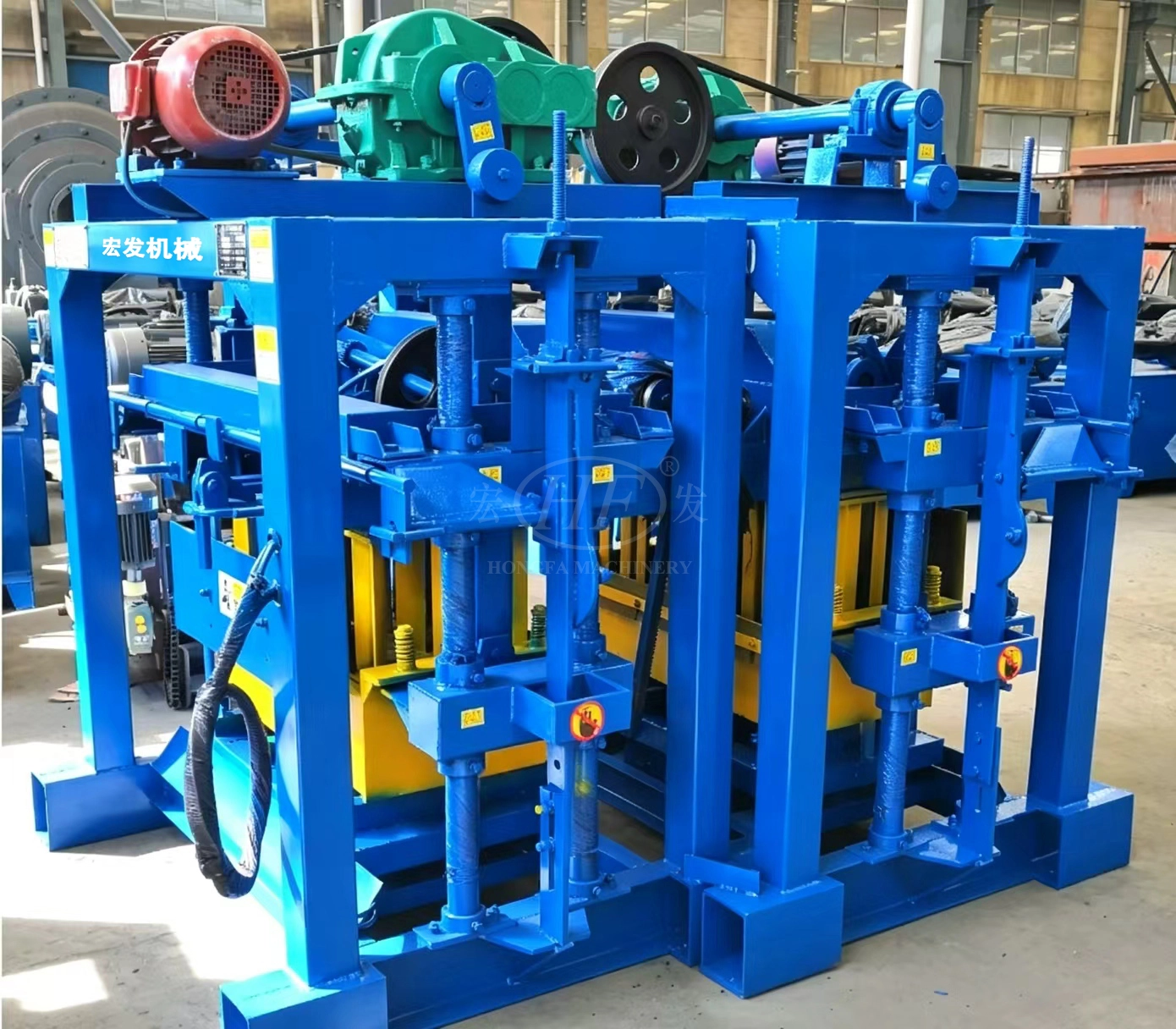
2. Robust Gantry‑Type Frame With Moderate Footprint, High Site Tolerance Reduces Civil‑Work And Site‑Related Costs
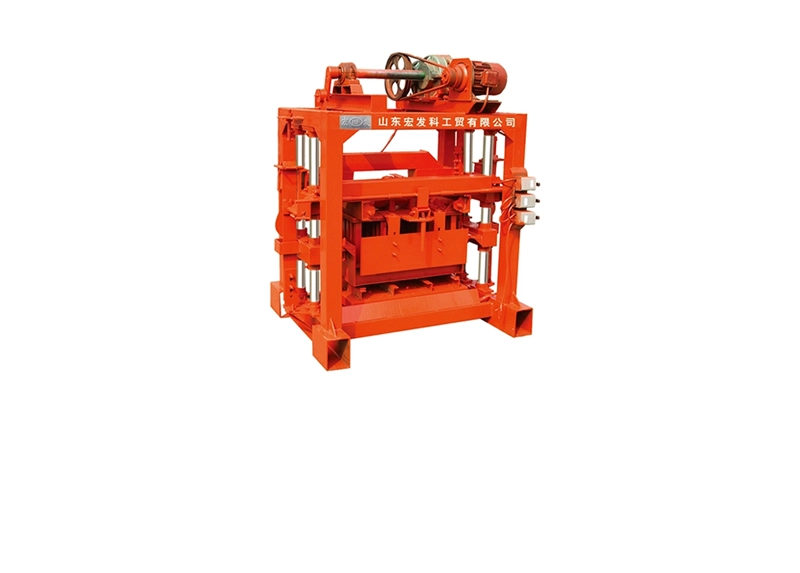
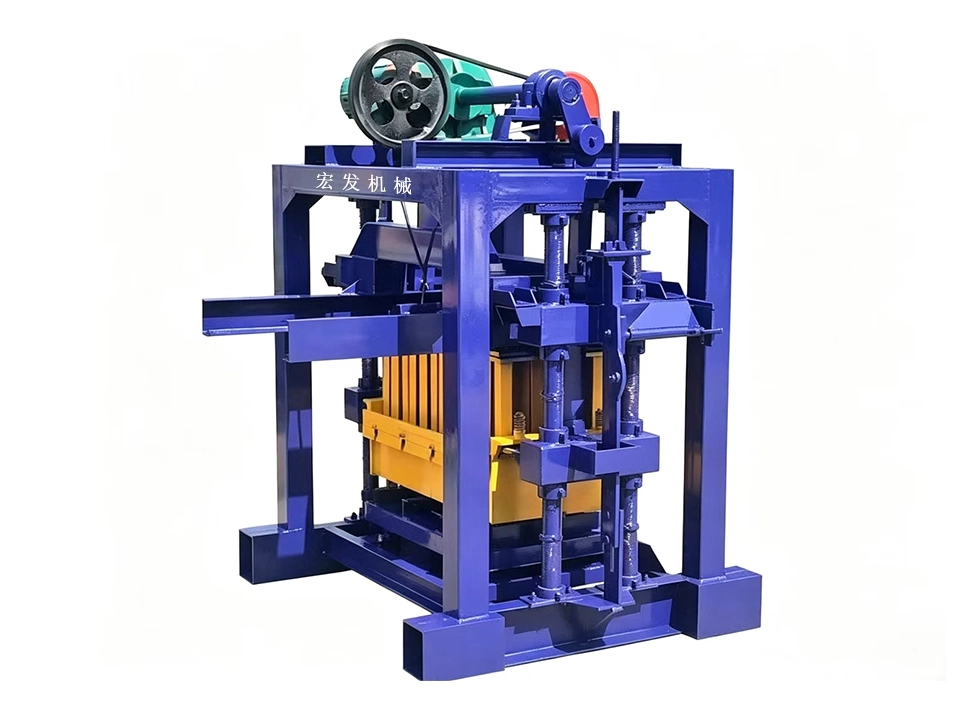
Most township‑based startup entrepreneurs cannot access high‑grade industrial workshops. Available venues are mostly simple steel sheds or hardened open‑air yards. Bulky machinery with strict foundation requirements will bring extra spending on plant reconstruction and foundation treatment and further squeeze limited startup budget. QTJ4‑40B2 adopts reinforced gantry steel frame with anti‑vibration stable structure and moderate footprint. Spacious high‑standard workshops are not mandatory. Production can be launched after basic ground hardening. Entrepreneurs can make full use of existing idle land resources without paying high rent specially for machine adaptation. Pre‑launch civil‑construction expenditure gets largely reduced. Site‑selection flexibility gets improved. Brick‑making startup projects can be carried out in county suburbs, township yards and rural hardened sites without being restricted by strict workshop conditions.
3. Clear‑Cut Workflow With Motor‑Driven Movements Plus Minor Manual Assistance, Ordinary Local Workers Can Achieve Quick Proficiency
New small‑scale workshops commonly suffer recruitment difficulty and high staff turnover. Over‑simple machines require heavy manual labor, while complex automatic equipment has steep learning curve. Resignation of skilled operators easily causes production halt, delayed deliveries and loss of local‑client reputation. QTJ4‑40B2 applies electro‑mechanical workflow. Lifting and vibration are motor‑driven with only a small number of simple manual‑assisted steps. The whole production sequence is logical and intuitive. Ordinary local workers can complete full production cycles after concise hands‑on training. There is no necessity to hire high‑salary professional technicians. Even with staff rotation, new hires can get familiar with operations rapidly. Production suspension risks brought by personnel changes get minimized. Stable bulk supply can be guaranteed after receiving village housing and minor‑infrastructure orders, lowering manpower‑management pressure for newly‑founded plants.
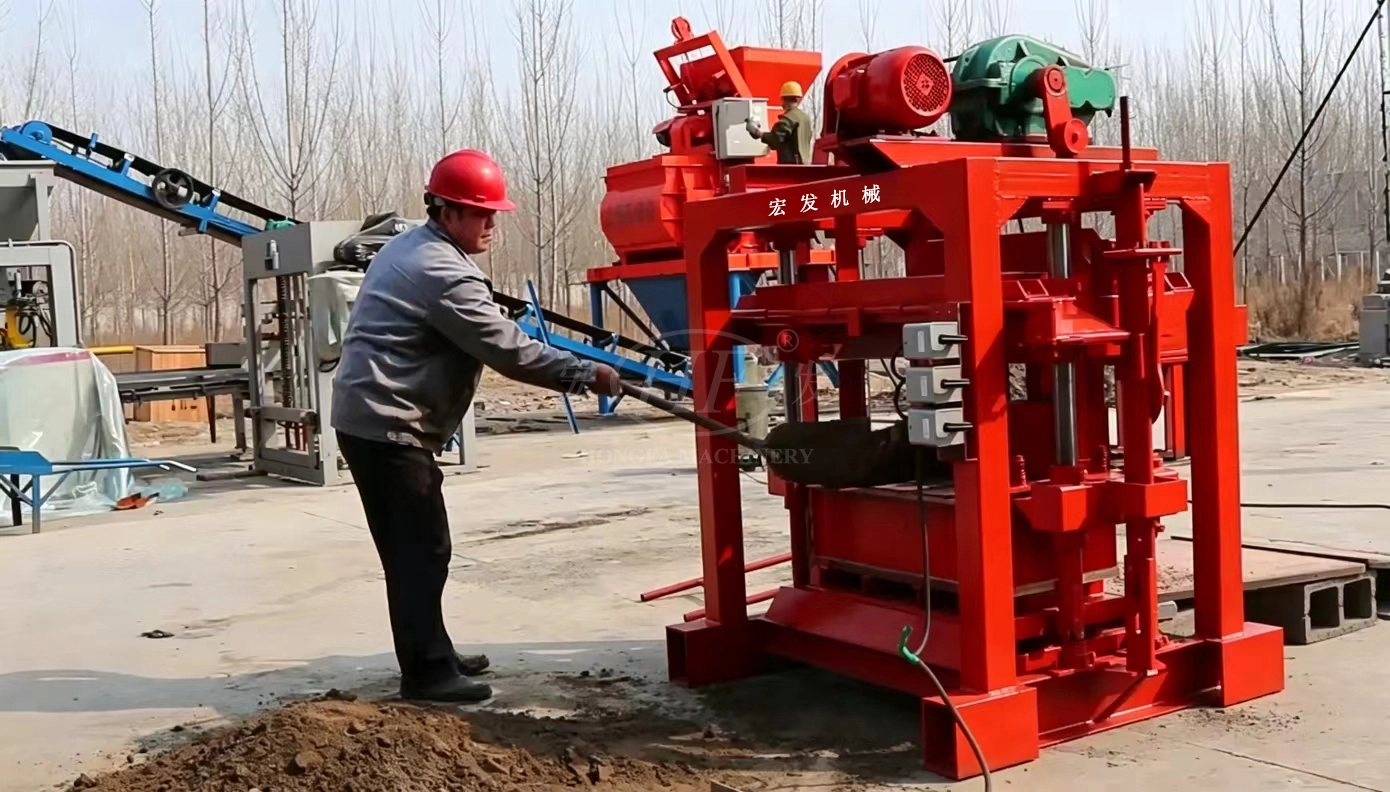
4. Broad Raw‑Material Compatibility And Convenient Mold Change, One Machine Flexibly Handles Diversified Local Township Orders
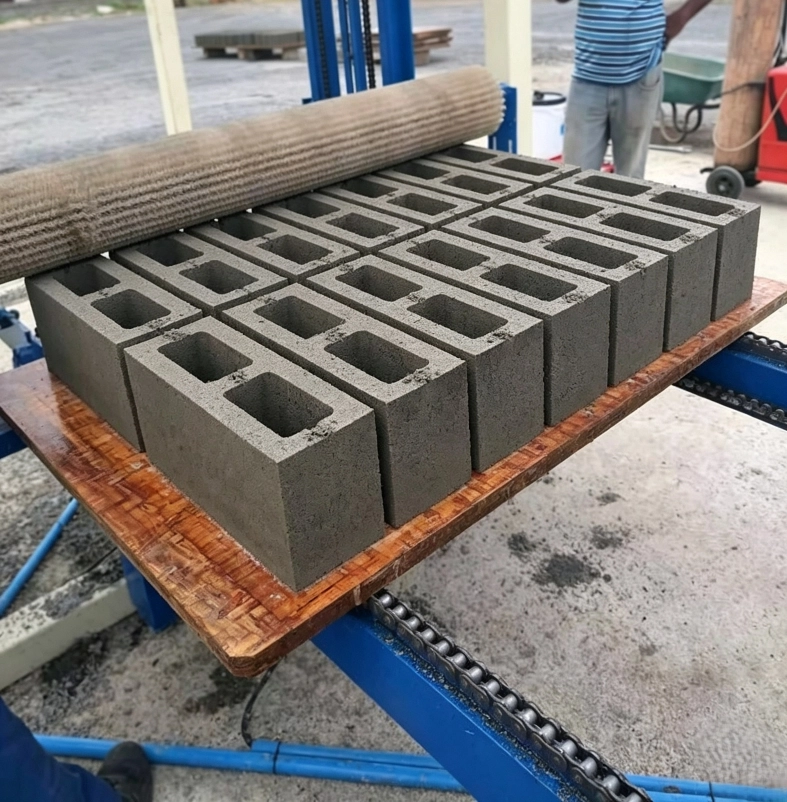
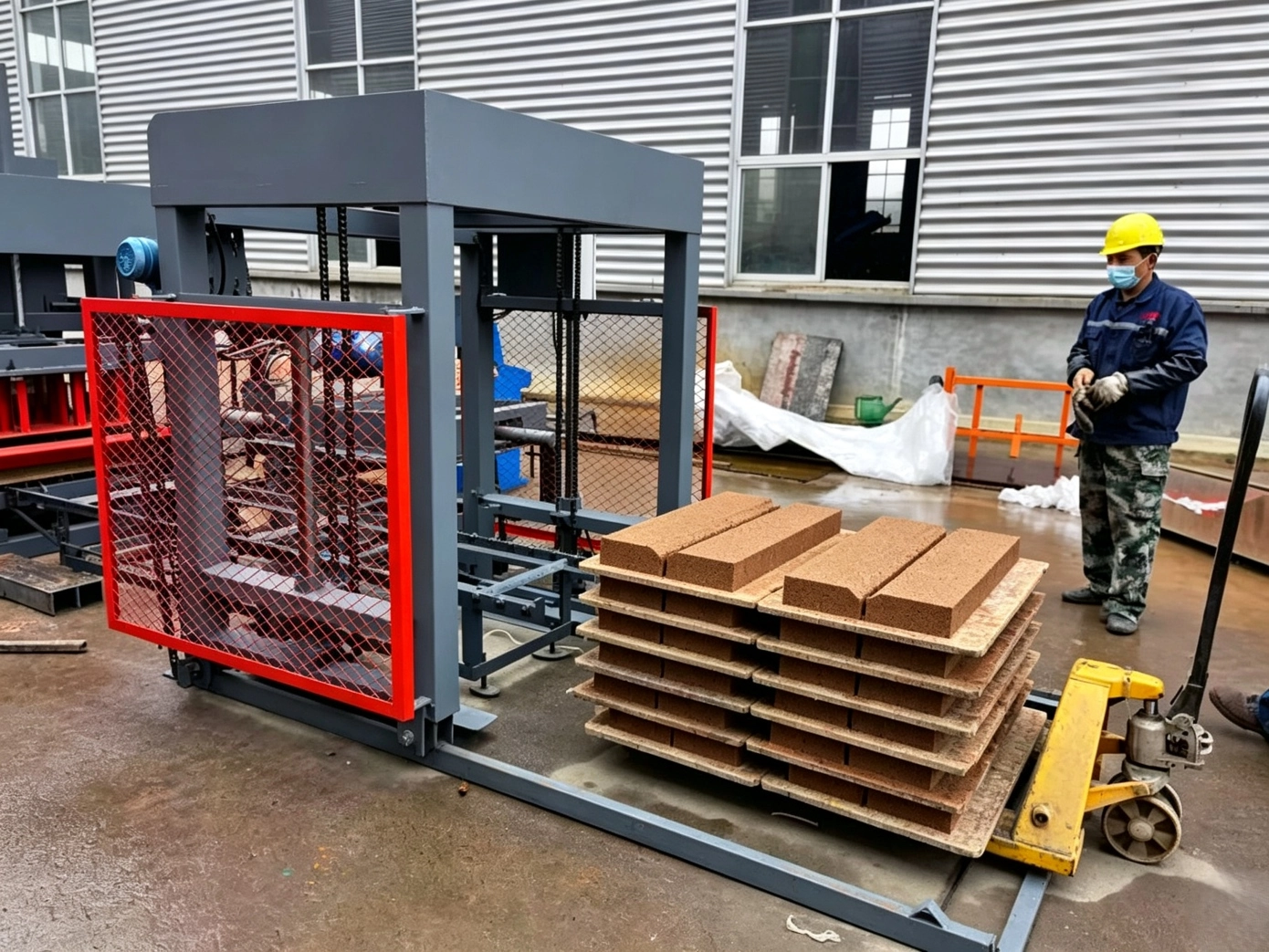
Most incoming orders for startup brick plants originate from surrounding villages with fragmented requirements. Buyers may require hollow blocks for residential construction or standard bricks for road and slope‑protection works. Machines with narrow material adaptability and complicated mold replacement force you to subcontract jobs to competitors and give away local‑market profits. QTJ4‑40B2 works well with locally‑accessible feedstock including river sand, stone powder, fly ash and brick residues. Low‑cost waste materials can be utilized on‑site to cut high‑priced aggregate procurement cost. Mold replacement does not require modification of main gantry frame. Hollow blocks, standard bricks and other mainstream village‑used construction articles can be produced after disassembly and simple position calibration. Entrepreneurs can flexibly adjust manufactured products responding to real‑time nearby order demands. One single main‑machine covers product requirements for local housing, minor water‑conservancy slope‑protection and rural road projects. Multiple forming hosts are not required. Scattered local orders can be fully utilized to improve equipment capacity‑utilization rate and lift overall startup‑project returns.
5. Low Auxiliary Requirements, Short Commissioning Cycle For Fast Qualified‑Block Output And Accelerated Startup Cash‑Flow
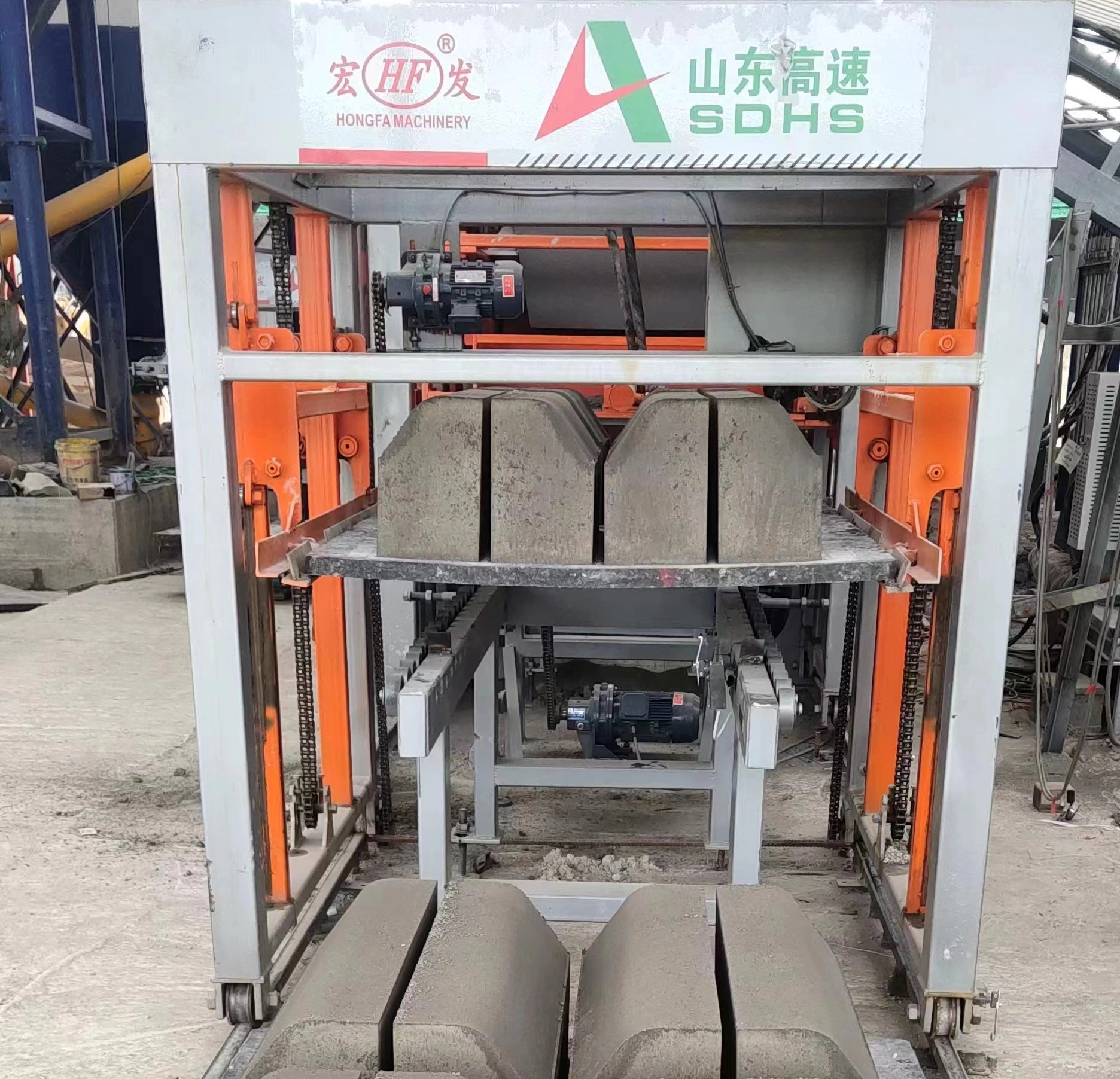
For startup‑phase businesses, capital‑turnover efficiency largely determines project survival. Long preparation cycles caused by complicated peripheral auxiliaries and civil‑work debugging lock up capital for long periods. Before generating sales revenue, you still need to cover site‑related overheads which amplify venture risks. QTJ4‑40B2 can run in standalone mode for basic production, and can also work with optional simple mixers and conveyors. Full‑set production‑line auxiliaries are not compulsory. After machine arrival, positioning, wiring and basic tuning enable quick output of well‑compacted qualified blocks without lengthy pre‑production preparation. Entrepreneurs can start supplying goods for surrounding village clients much earlier and generate sales income sooner. The time gap between machinery investment and payment collection gets shortened to optimize project cash flow. Early deliveries also help build local‑market reputation for further business expansion. It effectively relieves financial pressure in early‑stage operation and reduces trial‑and‑error risks for first‑time entrepreneurs.
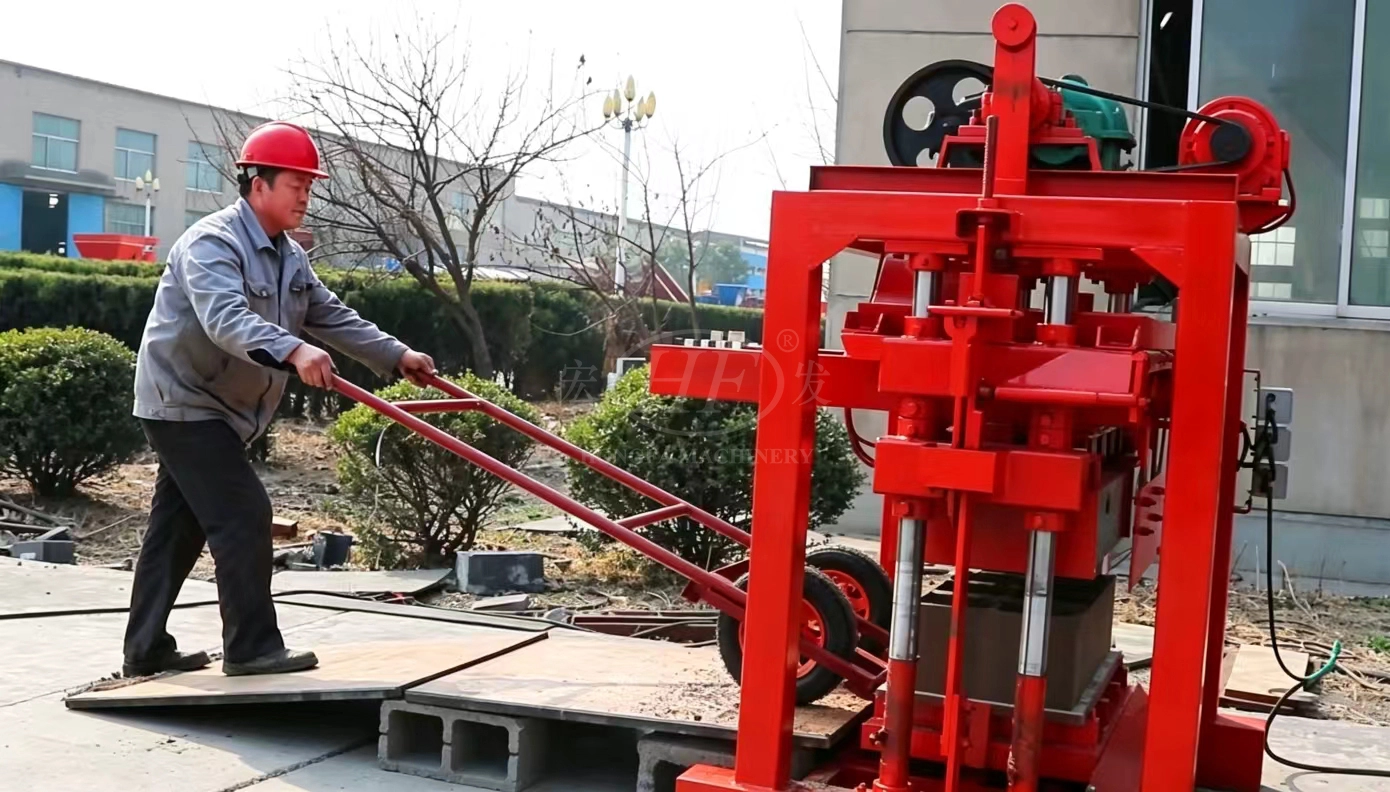
1. Controllable Main‑Unit Purchase Cost With Balanced Product Quality, Suitable For Cost‑Focused Startup Investors
Many first‑time brick‑making entrepreneurs face a trade‑off: ultra‑low‑cost mini‑machines come with limited block compaction and weak market competitiveness, while semi‑automatic or fully‑automatic models greatly exceed startup budget. Built with heavy‑duty gantry steel frame and equipped with combined upper‑lower vibration system, QTJ4‑40B2 delivers improved block compaction performance within an affordable price range for new‑comers. Entrepreneurs do not need to exhaust most working capital on machinery purchase. Sufficient funds can be reserved for raw‑material procurement, local customer development and business turnover. You may build a basic production cell for medium‑small village‑level orders and manufacture better‑quality blocks to strengthen local market competitiveness. When order volume grows in later periods, mixers and conveyors can be added or higher‑spec machines can be selected step‑by‑step. Phased expansion avoids huge venture risks caused by one‑time heavy‑asset investment.
2. Robust Gantry‑Type Frame With Moderate Footprint, High Site Tolerance Reduces Civil‑Work And Site‑Related Costs
Most township‑based startup entrepreneurs cannot access high‑grade industrial workshops. Available venues are mostly simple steel sheds or hardened open‑air yards. Bulky machinery with strict foundation requirements will bring extra spending on plant reconstruction and foundation treatment and further squeeze limited startup budget. QTJ4‑40B2 adopts reinforced gantry steel frame with anti‑vibration stable structure and moderate footprint. Spacious high‑standard workshops are not mandatory. Production can be launched after basic ground hardening. Entrepreneurs can make full use of existing idle land resources without paying high rent specially for machine adaptation. Pre‑launch civil‑construction expenditure gets largely reduced. Site‑selection flexibility gets improved. Brick‑making startup projects can be carried out in county suburbs, township yards and rural hardened sites without being restricted by strict workshop conditions.
3. Clear‑Cut Workflow With Motor‑Driven Movements Plus Minor Manual Assistance, Ordinary Local Workers Can Achieve Quick Proficiency
New small‑scale workshops commonly suffer recruitment difficulty and high staff turnover. Over‑simple machines require heavy manual labor, while complex automatic equipment has steep learning curve. Resignation of skilled operators easily causes production halt, delayed deliveries and loss of local‑client reputation. QTJ4‑40B2 applies electro‑mechanical workflow. Lifting and vibration are motor‑driven with only a small number of simple manual‑assisted steps. The whole production sequence is logical and intuitive. Ordinary local workers can complete full production cycles after concise hands‑on training. There is no necessity to hire high‑salary professional technicians. Even with staff rotation, new hires can get familiar with operations rapidly. Production suspension risks brought by personnel changes get minimized. Stable bulk supply can be guaranteed after receiving village housing and minor‑infrastructure orders, lowering manpower‑management pressure for newly‑founded plants.
4. Broad Raw‑Material Compatibility And Convenient Mold Change, One Machine Flexibly Handles Diversified Local Township Orders
Most incoming orders for startup brick plants originate from surrounding villages with fragmented requirements. Buyers may require hollow blocks for residential construction or standard bricks for road and slope‑protection works. Machines with narrow material adaptability and complicated mold replacement force you to subcontract jobs to competitors and give away local‑market profits. QTJ4‑40B2 works well with locally‑accessible feedstock including river sand, stone powder, fly ash and brick residues. Low‑cost waste materials can be utilized on‑site to cut high‑priced aggregate procurement cost. Mold replacement does not require modification of main gantry frame. Hollow blocks, standard bricks and other mainstream village‑used construction articles can be produced after disassembly and simple position calibration. Entrepreneurs can flexibly adjust manufactured products responding to real‑time nearby order demands. One single main‑machine covers product requirements for local housing, minor water‑conservancy slope‑protection and rural road projects. Multiple forming hosts are not required. Scattered local orders can be fully utilized to improve equipment capacity‑utilization rate and lift overall startup‑project returns.
5. Low Auxiliary Requirements, Short Commissioning Cycle For Fast Qualified‑Block Output And Accelerated Startup Cash‑Flow
For startup‑phase businesses, capital‑turnover efficiency largely determines project survival. Long preparation cycles caused by complicated peripheral auxiliaries and civil‑work debugging lock up capital for long periods. Before generating sales revenue, you still need to cover site‑related overheads which amplify venture risks. QTJ4‑40B2 can run in standalone mode for basic production, and can also work with optional simple mixers and conveyors. Full‑set production‑line auxiliaries are not compulsory. After machine arrival, positioning, wiring and basic tuning enable quick output of well‑compacted qualified blocks without lengthy pre‑production preparation. Entrepreneurs can start supplying goods for surrounding village clients much earlier and generate sales income sooner. The time gap between machinery investment and payment collection gets shortened to optimize project cash flow. Early deliveries also help build local‑market reputation for further business expansion. It effectively relieves financial pressure in early‑stage operation and reduces trial‑and‑error risks for first‑time entrepreneurs.

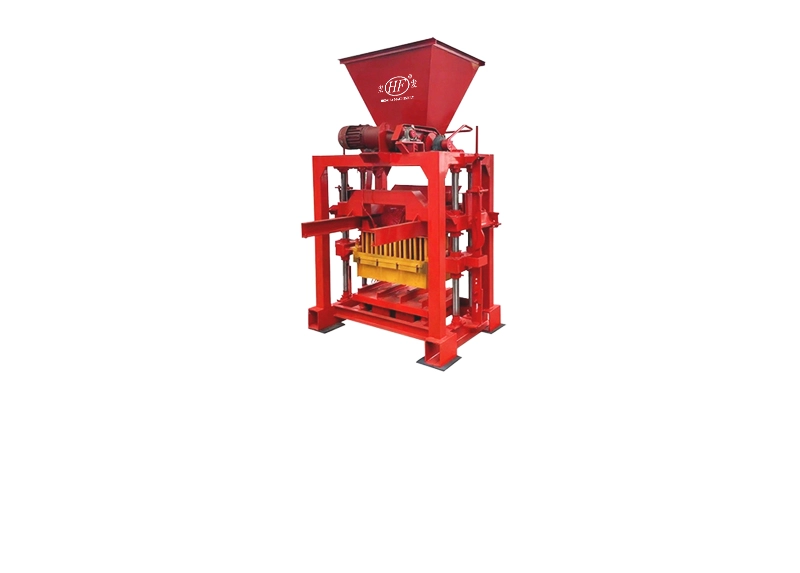 QTJ4‑35B2 Semi-automatic Brick Making Machine | Ultra‑Low‑Budget Startup Solution For Mini Brick Workshops
QTJ4‑35B2 block making machine delivers entry‑level brick‑plant setup solution for financially‑constrained mini‑startup ...

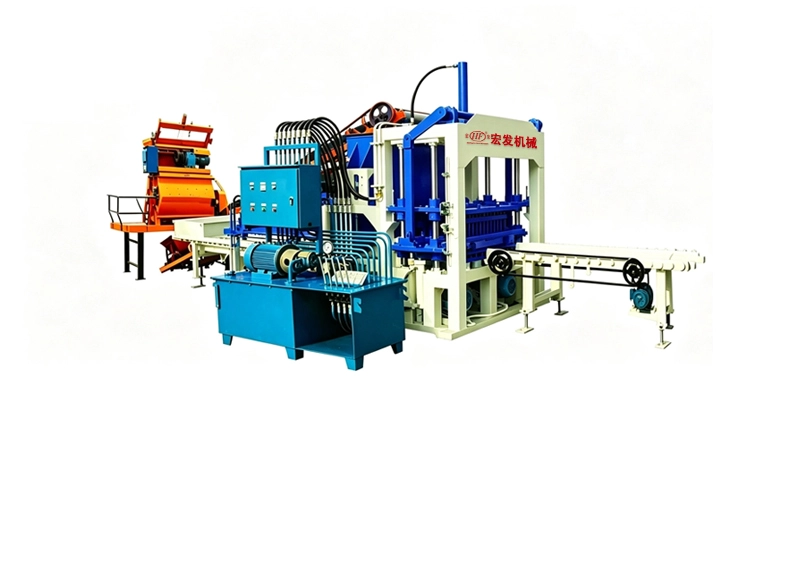 QT4-20C Semi-automatic Concrete Hollow Block Making Machine
This QT4-20C semi-automatic concrete hollow block machine is compact, low-cost equipment ideal for new small-scale inves...
QT4‑20C Concrete Paver Block Forming Host | Semi‑Automatic Hydraulic Paving Brick Making Machine
Hongfa QT4‑20C semi‑automatic hydraulic block forming host is specially built for municipal paver blocks, interlocking b...
Shandong Hongfa Scientific Industrial&Trading Co.,Ltd ©️2026Copyright © LU ICP B 16041216-4